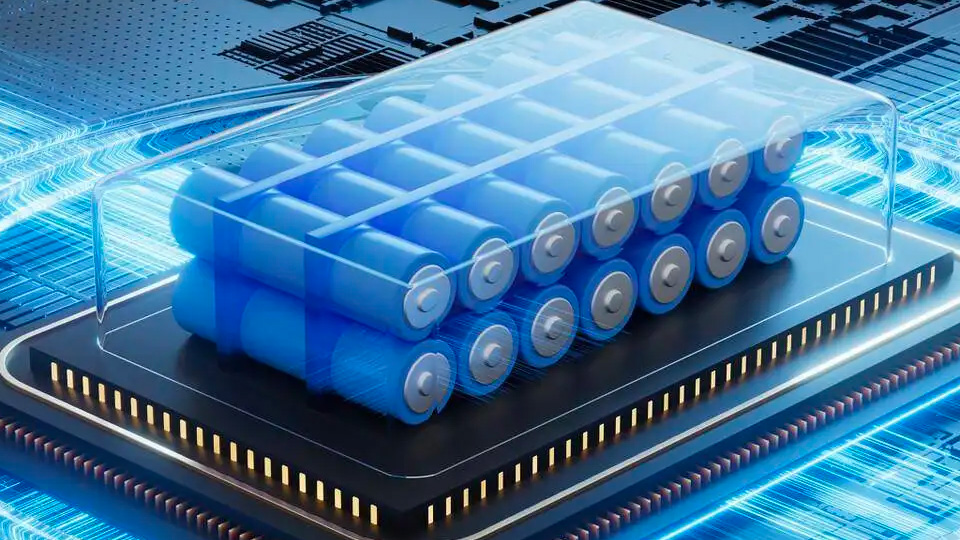


As we navigate the energy volatile landscape of 2026, the conversation in the battery industry has shifted toward a single, tantalizing goal: the Solid-State Battery (SSB). Often hailed as the "Holy Grail" of energy storage, solid-state technology promises to double energy density and eliminate fire risks by replacing liquid electrolytes with solid ceramic or polymer separators.
However, while the headlines are ablaze with breakthrough announcements, the transition from lab to domestic energy storage reveals a more complex narrative of cost, scalability, and practical utility.
The primary driver behind the solid-state fever is the pursuit of 500Wh/kg energy density. In an era where oil scarcity has made electrical efficiency paramount, the ability to store more power in a smaller, lighter package is a significant advantage.
·Safety First: By removing flammable liquid electrolytes, SSBs theoretically offer a much higher thermal runaway threshold. For high-end residential installations, this promise of "absolute safety" is a powerful draw.
·Cold Weather Performance: Unlike traditional lithium batteries that struggle in freezing temperatures, some solid-state electrolytes maintain high ionic conductivity, offering a solution for extreme climates.
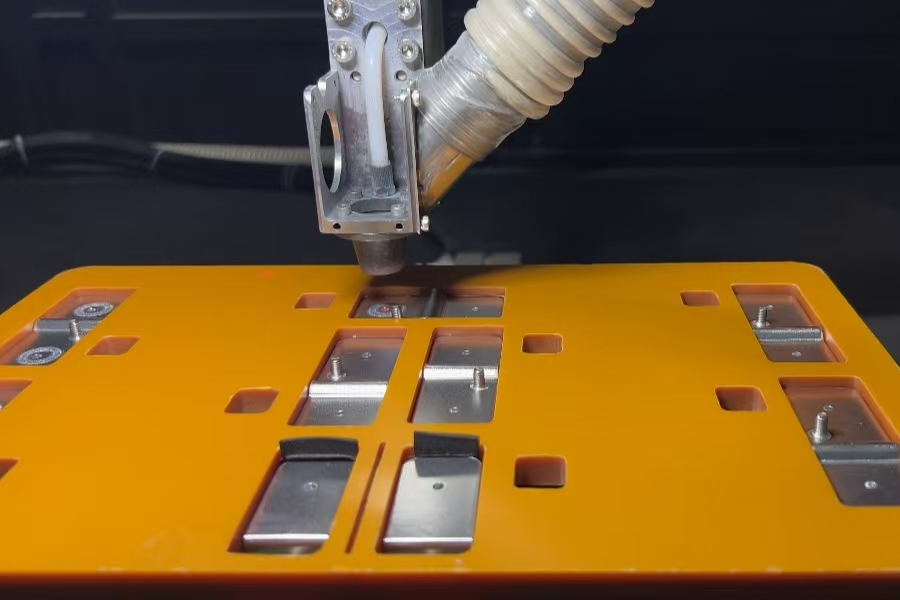
Despite the hype, 2026 remains the year of "Semi-Solid" rather than "Full-Solid" for the mass market. The manufacturing costs of solid-state cells remain 3 to 4 times higher than established LiFePO4 (Lithium Iron Phosphate) systems.
·Mass Production Challenges: The pressure required to maintain contact between solid layers during cycling often leads to mechanical failure. This makes large-scale 15kWh home storage units using full solid-state tech cost-prohibitive for all but the top 0.1% of consumers.
·The Maturity of LiFePO4: While SSBs chase the future, current systems like 51.2V 280Ah LiFePO4 modules have reached a level of 6,000+ cycle maturity that solid-state tech likely won't achieve for another decade.

In the current energy crunch, "now" is better than "eventually." For households seeking immediate energy sovereignty, the modular 51.2V 100Ah system remains the most practical intersection of safety and economy.
The "hottest topic" shouldn't just be the chemistry inside the cell, but how that energy is managed. The real breakthrough in 2026 is the synergy between Pure Sine Wave Inverters and smart BMS (Battery Management Systems). Whether it’s a standard lithium cell or a future solid-state one, the ability to convert DC to AC with 98% efficiency is what truly secures a home's power during a crisis.
Solid-state batteries are undoubtedly the future, but in the face of the 2026 energy shortage, resilience is built on what is available and reliable. While we watch the horizon for the next technological leap, securing your energy independence with high-capacity LiFePO4 systems—from 12.8V 200Ah to 51.2V 280Ah—is the most strategic move a homeowner can make today.