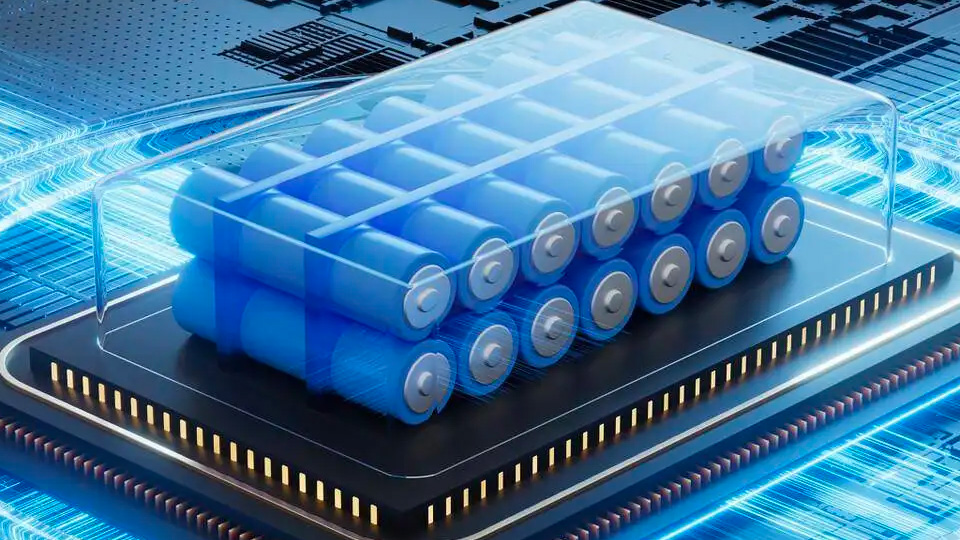

More Electricity Demand
AI, data centers, EVs and wider electrification are increasing the amount of electricity that power systems must supply.


Shenzhen will host the APEC Economic Leaders’ Meeting on 18–19 November 2026. For a city closely connected with electronics, electric vehicles, batteries and advanced manufacturing, the timing feels especially relevant.
Across the Asia-Pacific, electricity demand is rising while artificial intelligence, data centers, electric vehicles and broader electrification are putting new pressure on power systems.
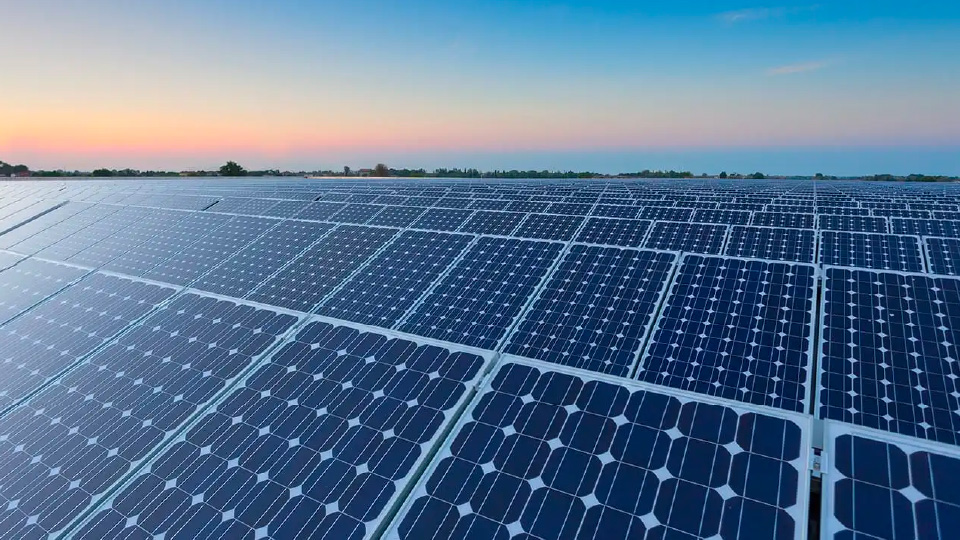
At the same time, renewable energy continues to grow.
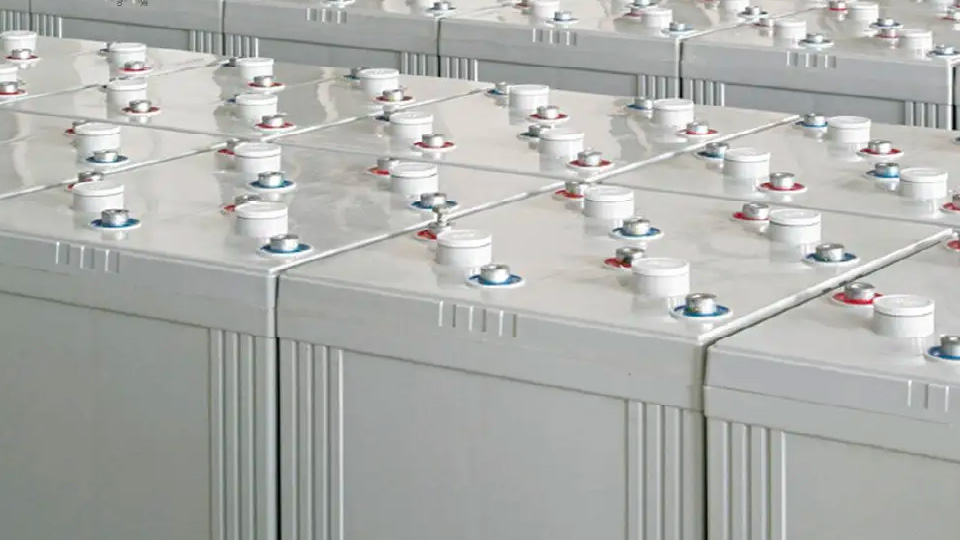
Battery energy storage is becoming an important part of that conversation.
APEC 2026 Brings the Energy Conversation Closer to Shenzhen
The 33rd APEC Economic Leaders’ Meeting will take place in Shenzhen on 18–19 November 2026, following the APEC CEO Summit on 17–18 November.
The CEO Summit will bring together business and government representatives from across APEC economies to discuss major issues including artificial intelligence, the digital economy, connectivity and sustainable development.
But the connection between APEC and the battery industry goes beyond the fact that the meeting is being held in Shenzhen.
Earlier this year, APEC economies had already placed energy security, growing electricity demand and resilient power systems high on the regional agenda.

Why Electricity Demand Is Changing
At the 2026 APEC Energy Ministerial Meeting, member economies noted that electricity demand across the Asia-Pacific continues to grow.
Several forces are happening at the same time:
Artificial intelligence requires increasingly large computing infrastructure.
Data centers need reliable, continuous and high-quality electricity.
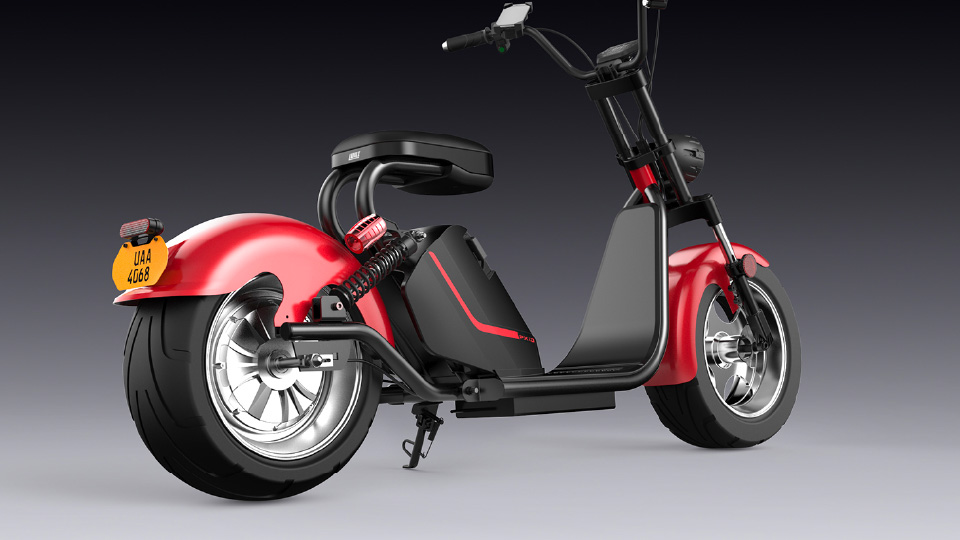
Electric vehicles are shifting more transportation energy demand toward the power grid.
Industries, buildings and everyday applications are also becoming increasingly electrified.
APEC energy ministers specifically highlighted AI, data centers and EVs among the factors driving electricity demand and emphasized the importance of flexible resources and storage in maintaining reliable power systems.Battery storage is sometimes viewed simply as a way to store surplus solar energy.
Its role is broader than that.
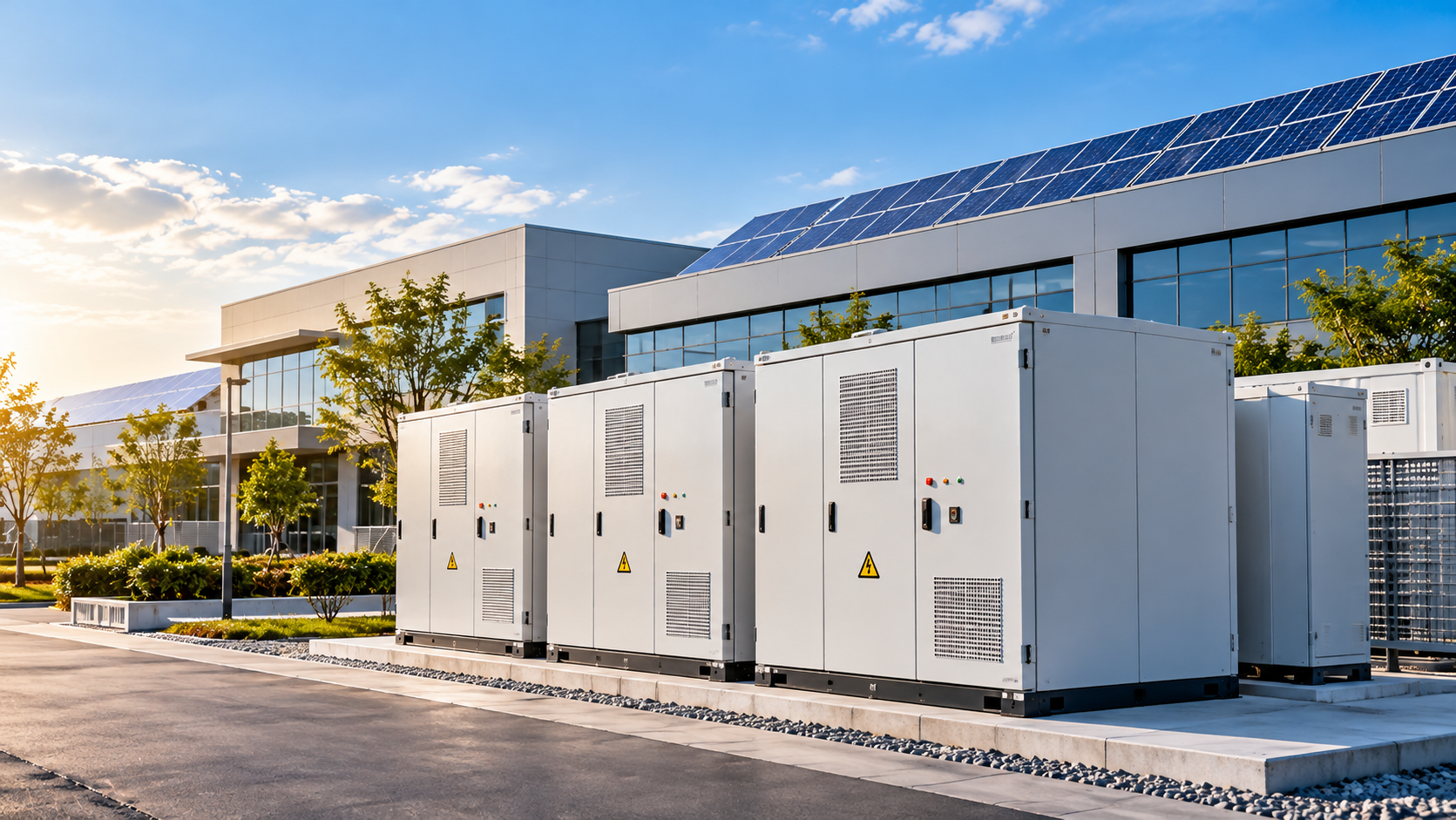
Depending on the application, a battery energy storage system can help absorb energy when supply is available, discharge when demand rises, provide backup capacity and improve the flexibility of local power systems.
This can happen at very different scales.
A home energy storage system may increase the use of rooftop solar.
A commercial system may help manage peak demand or provide backup power.
A larger BESS may support factories, commercial buildings, microgrids or other energy-intensive applications.
Despite the different sizes, the underlying requirement is similar:
Energy needs to be available at the right time, with the right power and the right level of reliability.
As energy storage applications become more sophisticated, battery selection is also changing.
Capacity still matters, but it is only one part of a complete system.
BMS & Communication
CAN and RS485 communication, inverter protocols and system compatibility can determine whether the battery works correctly within the complete system.
Power & Application Requirements
Two batteries with the same nominal capacity may require very different charge and discharge capabilities depending on whether they are used for residential storage, backup power, commercial energy storage or motive applications.
Safety, Testing & Traceability
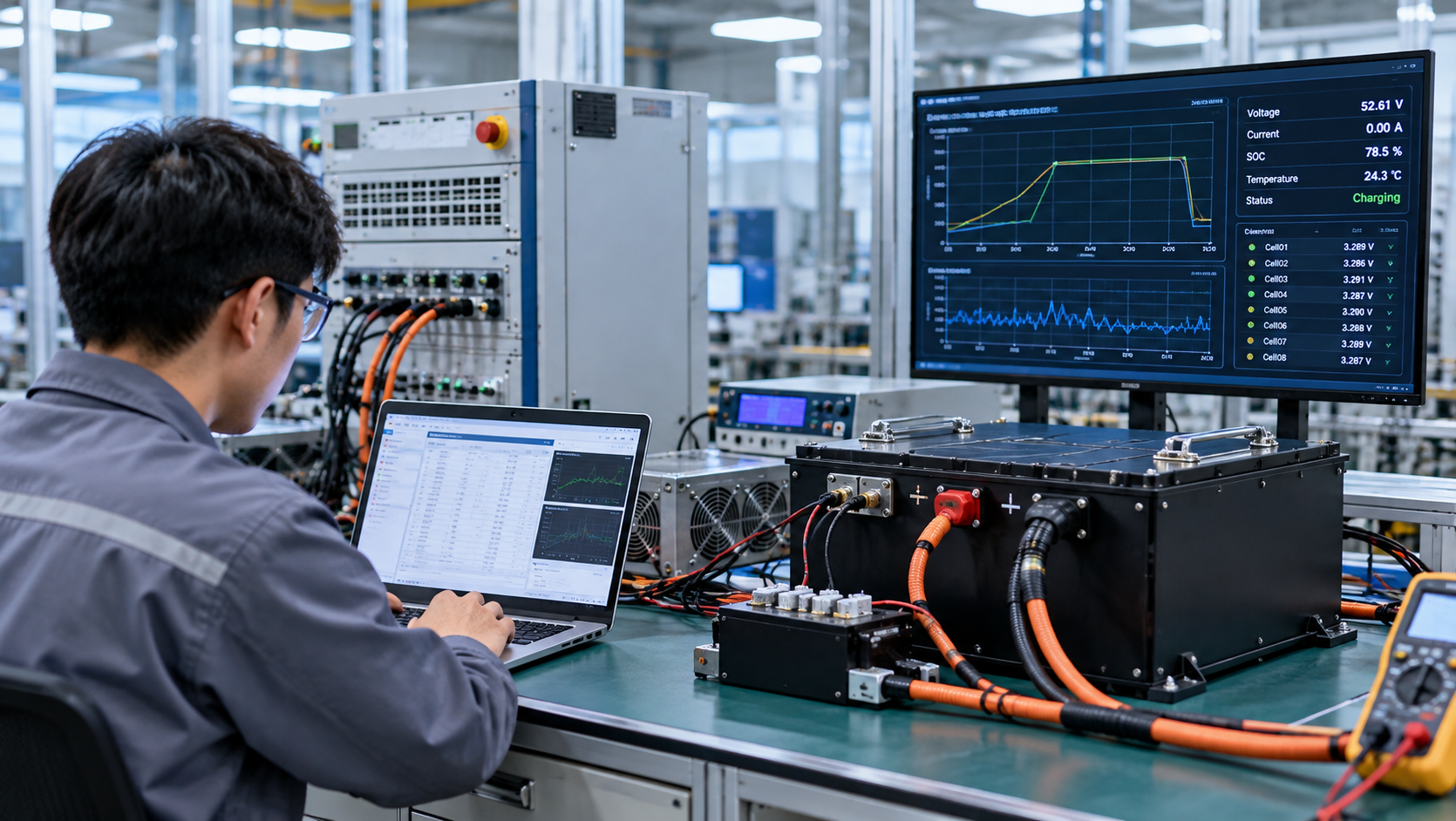
Cell consistency, protection settings, thermal management, production testing and documentation all influence long-term reliability.
This is why battery procurement is gradually becoming less about buying a standalone product and more about integrating the battery into a complete energy system.
For us at Max Power in Shenzhen, these broader energy discussions are closely connected with the practical questions we handle in everyday battery projects.
Customers rarely ask only:
“How many amp-hours does this battery have?”
• Will the BMS communicate with my inverter?
• Can several battery modules operate in parallel?
• What charge and discharge current can the system support?
• How will it perform in low-temperature conditions?
• Which test reports or certifications are available?
• What needs to be confirmed before mass production?
These questions may appear very technical and project-specific.
But this is exactly where larger concepts such as energy resilience, flexibility and system reliability become real engineering decisions.
Our role as a battery supplier is therefore not only to provide capacity, but also to help customers match the battery configuration to the actual application.
APEC 2026 will place Shenzhen at the center of many conversations about the future of the Asia-Pacific economy.
For the energy sector, one trend is already becoming clear.
Future power systems will need not only more electricity, but also more flexible ways to store, manage and deliver energy reliably.
Battery storage will not solve every energy challenge.
However, as electricity demand grows and power systems become increasingly complex, its role in residential, commercial, industrial and distributed energy applications will continue to attract attention.
That may ultimately be one of the most important questions for the next stage of energy storage development.
